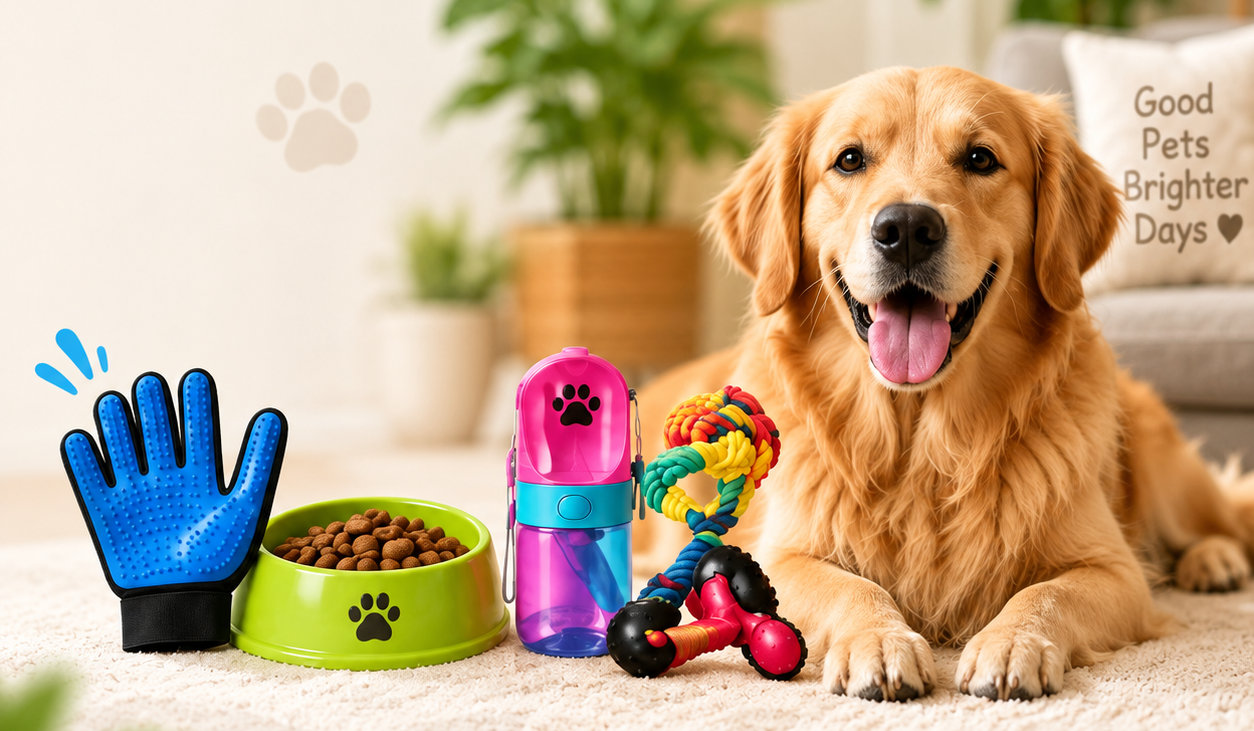
Puppy Essentials Checklist for New Pet Parents
Everything a new puppy actually needs in the first week, from feeding and crate setup to potty training, socialisation and the first vet visit.
Bringing a puppy home is exciting, and it is also the point where most new owners realise just how long a pet store shopping list can get. Not everything on that list is actually necessary in the first week, and a few things that rarely make it onto generic checklists end up mattering a lot. This guide separates what you genuinely need from day one from what can wait, so you are not overwhelmed or overspending before your puppy has even settled in.
Feeding Setup
Start with a puppy-specific food formula rather than adult dog food. Puppies have higher energy and protein needs to support growth, and switching foods too early or too often can upset digestion. If your puppy came from a breeder or shelter, ask what they were already eating and transition gradually over a week or two by mixing the old and new food, rather than switching overnight.
For bowls, a stainless steel or ceramic bowl is easier to keep clean than plastic, which can develop scratches that trap bacteria over time. If your puppy tends to eat very quickly, a slow feeder bowl with raised ridges is worth considering early on, since gulping food can lead to digestive discomfort and, in some breeds, a higher risk of bloat later in life.
Most puppies do best on three to four small meals a day up to around four months old, gradually reducing to two meals as they approach adulthood. Keeping feeding times consistent also makes potty training noticeably easier, since regular meals lead to a more predictable bathroom schedule.
Sleeping and Crate Setup
A crate is one of the most useful tools for a new puppy, even for owners who do not plan to use it long term. It gives the puppy a safe, den-like space of their own, helps with potty training by taking advantage of a dog's natural instinct not to soil their sleeping area, and gives you somewhere safe to leave them for short periods without worrying about chewing hazards around the house.
The crate should be just big enough for the puppy to stand, turn around and lie down comfortably, not so large that they can sleep in one corner and use another as a bathroom. Many crates come with a divider panel so you can adjust the size as your puppy grows rather than buying multiple crates.
Add a soft, washable blanket or bed inside, along with something that smells familiar if possible, such as a blanket from their previous home. The first few nights away from littermates are often the hardest, and familiar scents genuinely help with settling in.
Quick tipIntroduce the crate gradually with treats and short positive sessions before expecting your puppy to sleep in it overnight. A crate that is only ever used for punishment or sudden long absences will be associated with stress rather than safety.
Collar, Harness and Leash
For puppies, a harness is generally a better first choice than a collar alone. A growing puppy's neck is more delicate, and pulling pressure from a collar during leash training can strain it. A well-fitted, adjustable no-pull harness spreads pressure across the chest instead, and adjustable straps mean you can resize it as your puppy grows rather than replacing it every few weeks.
A lightweight leash, around four to six feet long, is a good general-purpose choice for early walks and training. Retractable leashes are best avoided at this stage, since they make it harder to control a puppy that is still learning leash manners and can encourage pulling rather than discourage it.
An ID tag with your phone number, attached even before the puppy has had all their vaccinations and started going on full outdoor walks, is worth doing immediately. Puppies are curious and prone to slipping out of open doors or gates, and a simple tag makes a lost-puppy situation far less stressful to resolve.
Basic Grooming Kit
Even if your puppy's coat does not need serious grooming yet, getting them comfortable with brushing, ear checks, nail trims and handling early on makes every future grooming session easier for their entire life. A soft grooming glove or gentle bristle brush is enough to start, paired with short, positive sessions rather than long ones.
A puppy-specific shampoo, formulated to be gentler than adult dog shampoo, is worth having on hand for the inevitable first messy adventure. Puppy nail clippers or a nail grinder designed for smaller paws, introduced gradually with lots of treats, helps avoid the nail-trimming battles that many adult dogs develop when trims were rushed or forced early on.
Toys and Teething Support
Puppies go through a teething phase, usually starting around three to four months of age, where the urge to chew becomes intense and fairly indiscriminate. Having a variety of appropriate chew toys ready before this phase hits saves a lot of furniture, shoes and cables.
A mix of textures works better than a pile of identical toys. Soft rubber toys, rope toys for tug and rougher chew textures for teething relief each satisfy a slightly different urge. Puzzle-style toys that dispense treats are also worth introducing early, since they build mental stimulation habits that help enormously with boredom-related behaviour issues later on.
A common mistakeGiving a puppy a huge pile of new toys all at once on their first day, along with a new home, new people and new smells, can be overstimulating. Introducing two or three toys initially and adding more gradually over the first couple of weeks tends to go smoother.
Health and First Vet Visit
Ideally, schedule a vet visit within the first few days of bringing your puppy home, even if they seem perfectly healthy. This first check-up establishes a baseline, allows the vet to confirm or plan out the vaccination schedule, and gives you a chance to ask questions specific to your puppy's breed and history.
Vaccination schedules vary depending on your puppy's age when you bring them home and what they may have already received from a breeder or shelter, so this is genuinely worth discussing directly with your vet rather than following a generic online schedule. The same goes for deworming and flea or tick prevention, both of which are usually addressed at these early visits.
Keep a simple folder or notes app record of vaccination dates, vet visits and any health notes from day one. It sounds unnecessary early on, but becomes genuinely useful later, especially if you switch vets or need records for boarding, travel or pet insurance.
Puppy-Proofing the House
Before your puppy arrives, or as soon as possible after, walk through your home at floor level, quite literally, to see what a curious puppy might reach. Loose electrical cords, small objects that could be swallowed, cleaning products stored within reach, and houseplants that are toxic to dogs are the most common hazards new owners overlook.
Baby gates or a playpen are useful for containing a puppy to a safe, supervised area while you cannot watch them directly, particularly in the first few weeks before house training is reliable. This also protects rooms with more hazards, like kitchens, from being explored unsupervised.
Keep human food, particularly anything containing chocolate, grapes, onions, garlic or xylitol, well out of reach. Puppies are naturally curious and will investigate anything left within reach of the counter edge, and some common foods are genuinely dangerous even in small amounts.
The Complete First-Week Checklist
Puppy-specific food and two bowlsone for food, one always filled with fresh water
A properly sized crate with soft beddingfor sleeping and safe alone time
An adjustable harness, leash and ID tagfitted correctly for a growing puppy
A gentle brush and puppy shampooto start early, positive grooming habits
Two or three varied chew and enrichment toyswith more added gradually
Potty training pads or a designated outdoor spotplus an enzyme-based cleaner for accidents
A booked first vet visitwithin the first few days of arrival
A puppy-proofed spacewith hazards, cords and toxic items removed or blocked off
Potty Training Supplies
House training goes smoother when you have the right supplies ready rather than improvising after the first accident. Potty pads are useful for puppies in apartments or during periods when outdoor access is limited, though transitioning too heavily to pads can sometimes confuse a puppy about where the acceptable bathroom spot actually is once you want to move outdoors entirely.
An enzyme-based cleaner, rather than a standard household cleaner, is worth having from day one. Regular cleaners can leave behind a faint scent that still smells like a bathroom spot to a puppy's much more sensitive nose, which leads to repeat accidents in the same location. Enzyme cleaners break down the scent markers completely rather than just masking them.
Consistency matters more than any single product here. Taking your puppy out first thing in the morning, after every meal, after naps and last thing before bed, then praising immediately when they go in the right spot, builds the habit faster than any pad or spray on its own.
Early Socialisation
The first few months are a critical window for shaping how a puppy responds to new people, animals, sounds and environments for the rest of their life. This does not require anything expensive, mostly just deliberate, gentle exposure spread out over time rather than crammed into one overwhelming outing.
Short, positive introductions to different types of people, calm and vaccinated dogs, everyday sounds like vacuum cleaners or traffic, and different surfaces and environments all help build a confident, adaptable adult dog. Puppy socialisation classes, often available through vets or local trainers, are worth considering once your puppy has had enough of their vaccination schedule to attend safely, which your vet can confirm at that first check-up.
Keep early experiences calm and positive rather than lengthy or overstimulating. A five-minute positive encounter with a new person or sound does far more good than a stressful thirty-minute outing that overwhelms a young puppy.
Quick tipKeep a small pouch of soft, low-calorie training treats on hand from the very first day. Rewarding calm behaviour, successful potty breaks and positive new experiences immediately, rather than a few minutes later, makes the connection much clearer for a young puppy.
Frequently Asked Questions
What age should a puppy be before I bring them home?
Most responsible breeders and shelters do not release puppies before eight weeks old, and some breeds benefit from staying with their litter slightly longer. This time with littermates plays an important role in early socialisation and bite inhibition.
How many meals a day does a puppy need?
Three to four small meals a day is typical up to around four months old, gradually moving to two meals a day as the puppy approaches adulthood, usually somewhere between six and twelve months depending on breed size.
Should I get a collar or a harness first?
A harness is generally the safer choice for a young, growing puppy, since it avoids putting pulling pressure directly on the neck. A collar with an ID tag is still worth having for identification, even if the harness is what you actually walk them on.
How do I stop my puppy from crying at night in the crate?
Some settling-in crying in the first few nights is normal, especially for a puppy recently separated from littermates. Placing the crate near your bed initially, using a familiar-smelling blanket, and avoiding letting the puppy out the moment they cry, which can accidentally reinforce the behaviour, tends to help most puppies settle within a week or two.
A calm, well-prepared first week makes a real difference to how quickly a puppy settles in. Pet Upchar has puppy-friendly harnesses, chew toys, grooming basics and feeding gear if you are putting this checklist together.
Shop Puppy Essentials